.png)


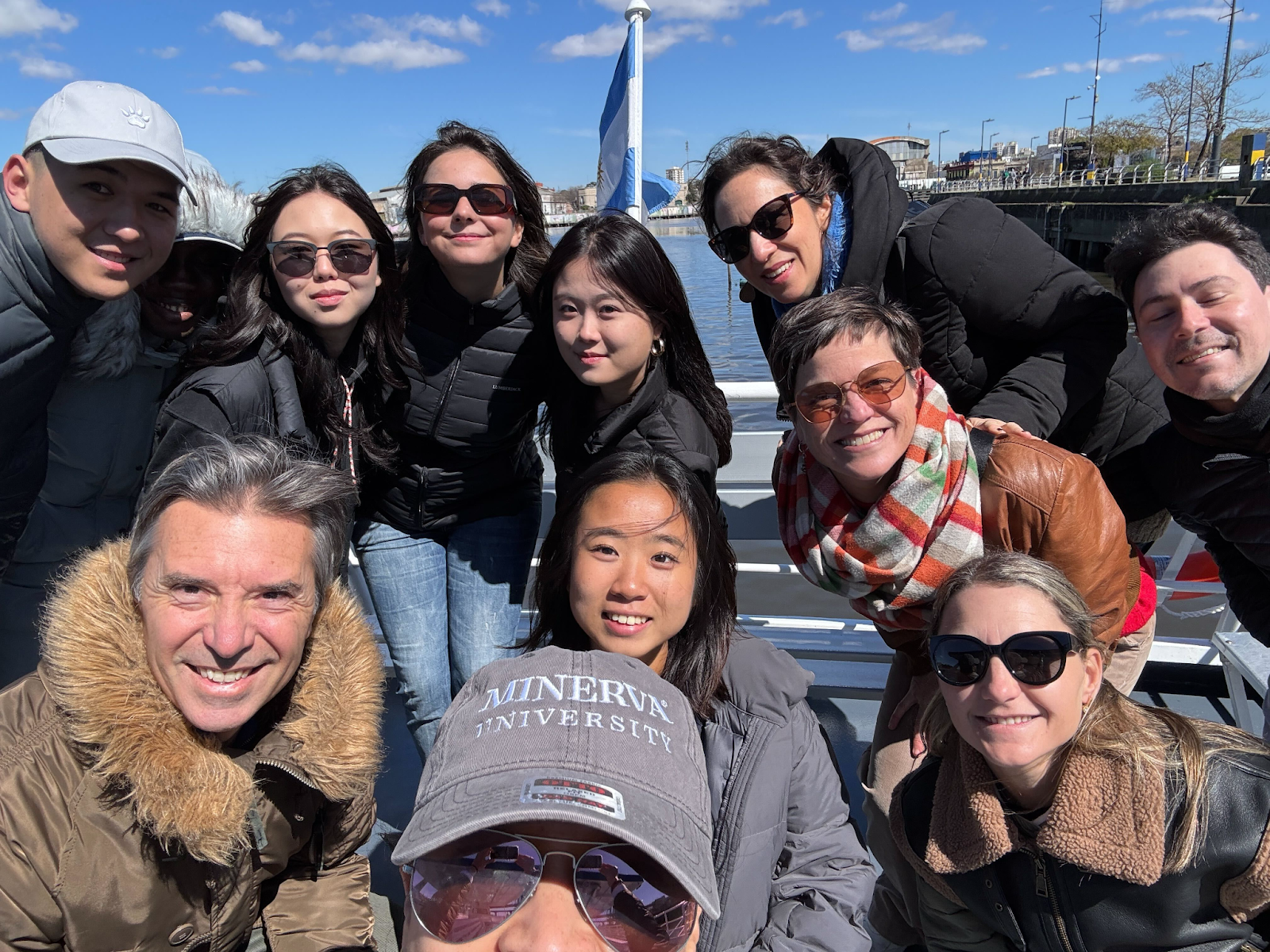
From Corporate Strategy to Cultural Immersion
With more than two decades in corporate marketing at companies like Coca-Cola, Nestlé, and Barilla, Andrés brings a strategic mindset to his role, one now focused on building authentic, lasting partnerships across Buenos Aires. After transitioning from the corporate world into academia, he taught marketing at Universidad de San Andrés and later spent five years directing CIEE’s Buenos Aires study-abroad program.
This shift was deeply personal. Having lived abroad himself, Andrés saw firsthand how immersion reshapes perspective. “Living abroad changes your brain,” he reflects. “It pulls you out of thinking your place of birth is the norm. You start seeing that things can be done differently, and that flexibility stays with you.”
Building Immersive Experiences
To Andrés, when you are living abroad, immersion in the culture of where you are staying is daily life. It’s found in the rhythms of the city, children leaving school, commuters rushing to work, neighbors lingering on the street, and the distinct energy of each barrio.
In Buenos Aires, Minerva students begin by connecting with their immediate neighborhoods, then expand outward, building a layered understanding of Buenos Aires as a whole. Here, city experiences are a structured way to reach beyond what they would do on their own, enabling them to see multiple “versions” of the city.

Andrés says that the principle that guides these City Experiences is cultural immersion. His goal is that, at the end of these experiences, students should not feel like they just visited; but rather, once it is time to leave the city, they should feel like they are leaving a home.
Purposeful Challenge and Immersive Design
A key part of this approach is pushing students beyond their comfort zones—always with intention. He says, “You need to get out of your comfort zone for a reason, not just to see a neighborhood, but to do something there. When you have a purpose, you notice how your expectations shift and how the city challenges you in new ways.”
In the months leading up to the semester, Andrés and his team ensure that every area of study, from technology to humanities, is represented in the experiential opportunities. More so, these City Experiences are divided into two categories.
- Curricular experiences, which connect coursework to real-world Buenos Aires contexts
- Discovery experiences, which emphasize cultural immersion—bike rides through the city, cooking empanadas or alfajores, and engaging with local traditions in meaningful ways
Andrés’ intention is that the students enable meaningful engagement. He shared, “Anyone can buy a ticket to a museum or go to a tango show. Our job is to create experiences with a unique element, something that connects students to the culture in a way they wouldn’t get on their own.”
Andrés notes that Minerva’s repeated recognition for innovation helps reinforce this approach. This reputation helps to establish credibility with partners, start conversations and gives partners confidence that they are collaborating with something forward-thinking.
This innovative-focused approach drives his team to rethink defaults and design experiences that connect students to Buenos Aires in distinctive, unexpected ways.
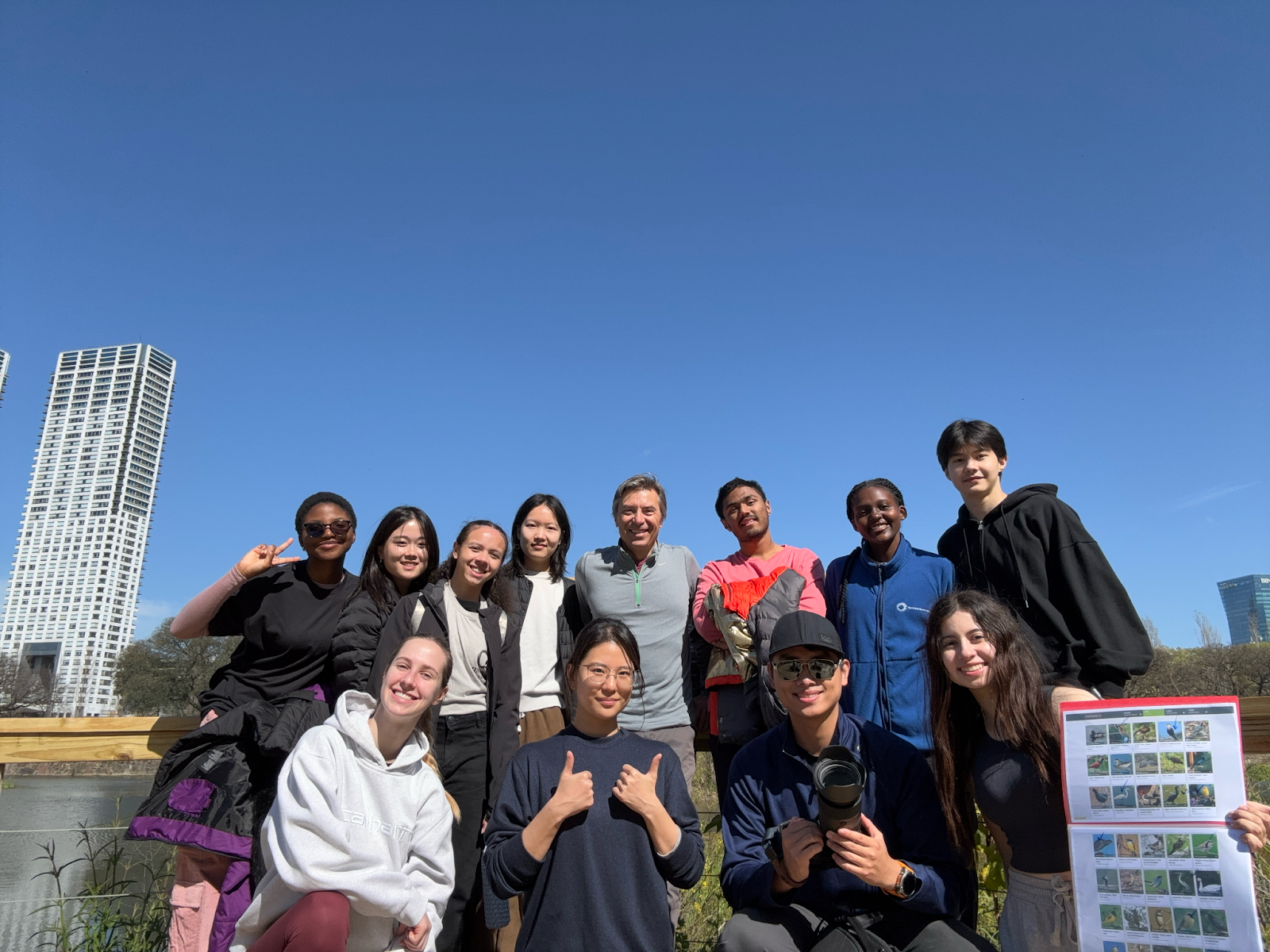
Learning Through a City in Motion
Andrés also sheds light on Buenos Aires’ dynamics. Programming in Buenos Aires comes with the challenge of constant change, as political shifts, economic fluctuations, and social movements can transform the city’s mood week to week. You can’t function on cruise control here,” Andrés said. “You always have to keep your hands on the wheel.”
Rather than a limitation, this unpredictability becomes a learning opportunity. Just as Minerva students adapt to a new city each semester, Buenos Aires teaches flexibility, resilience, and responsiveness, all skills that extend far beyond the classroom.
“The healthiest thing is to hear both sides of a story,” he says. City Experiences are designed to help students recognize bias, understand context, and form their own informed opinions—turning the city into a living classroom for critical thinking.
Leading small groups through neighborhoods like Recoleta and Palermo, he blends formal history with personal stories from his own life growing up nearby.
“These walks give me a chance to connect with students in a relaxed environment and to share my love for this city. It’s about creating conversations, not just showing them a place.” In this way, the walks deepen cultural immersion by adding both historical context and a personal sense of connection to the city.
Leaving Buenos Aires Feeling Like Home
Across every experience, Andrés’ work reflects a consistent thread of purposeful connection and immersion with intention. His background in corporate strategy, academia, and study-abroad leadership has shaped how he curates experiences that move beyond tourism and toward meaningful engagement. Through this approach, Buenos Aires becomes a place that students learn to navigate thoughtfully, engage with deeply, and leave feeling like they are leaving a home.
Quick Facts
Computational Sciences
Computational Sciences
Natural Sciences
Computational Sciences
Arts & Humanities, Natural Sciences
Social Sciences & Arts and Humanities
Business
Computational Sciences
Computational Sciences
Social Sciences & Business
Computational Sciences
Social Sciences
Computational Sciences & Business
Business & Computational Sciences
Computational Sciences
Computational Sciences
Social Sciences & Business
Business
Natural Sciences
Social Sciences
Social Sciences
Social Sciences & Business
Business & Computational Sciences
Business and Social Sciences
Social Sciences and Business
Computational Sciences & Social Sciences
Computer Science & Arts and Humanities
Business and Computational Sciences
Business and Social Sciences
Natural Sciences
Arts and Humanities
Business, Social Sciences
Business & Arts and Humanities
Computational Sciences
Natural Sciences, Computer Science
Computational Sciences
Arts & Humanities
Computational Sciences, Social Sciences
Computational Sciences
Computational Sciences
Natural Sciences, Social Sciences
Social Sciences, Natural Sciences
Data Science, Statistics
Computational Sciences
Business
Computational Sciences, Data Science
Social Sciences
Natural Sciences
Business, Natural Sciences
Business, Social Sciences
Computational Sciences
Arts & Humanities, Social Sciences
Social Sciences
Computational Sciences, Natural Sciences
Natural Sciences
Computational Sciences, Social Sciences
Business, Social Sciences
Computational Sciences
Natural Sciences, Social Sciences
Social Sciences
Arts & Humanities, Social Sciences
Arts & Humanities, Social Science
Social Sciences, Business
Arts & Humanities
Computational Sciences, Social Science
Natural Sciences, Computer Science
Computational Science, Statistic Natural Sciences
Business & Social Sciences
Sustainability
Sustainability
Natural Sciences & Sustainability
Natural Sciences
Sustainability
Computational Sciences
Computational Sciences
Computational Science & Business
Data Science and Statistics
Data Science and Statistics, Digital Practices
Earth and Environmental Systems
Cognition, Brain, and Behavior & Philosophy, Ethics, and the Law
Computational Theory and Analysis
Computer Science and Artificial Intelligence
Brand Management & Computer Science and Artificial Intelligence
Computer Science and Artificial Intelligence
Economics and Society & Strategic Finance
Enterprise Management
Economics and Society
Cells and Organisms & Brain, Cognition, and Behavior
Cognitive Science and Economics & Political Science
Applied Problem Solving & Computer Science and Artificial Intelligence
Computer Science and Artificial Intelligence & Cognition, Brain, and Behavior
Designing Societies & New Ventures
Strategic Finance & Data Science and Statistics
Brand Management and Designing Societies
Data Science & Economics
Machine Learning
Cells, Organisms, Data Science, Statistics
Arts & Literature and Historical Forces
Artificial Intelligence & Computer Science
Cells and Organisms, Mind and Emotion
Economics, Physics
Managing Operational Complexity and Strategic Finance
Global Development Studies and Brain, Cognition, and Behavior
Scalable Growth, Designing Societies
Business
Drug Discovery Research, Designing and Implementing Policies
Historical Forces, Cognition, Brain, and Behavior
Artificial Intelligence, Psychology
Designing Solutions, Data Science and Statistics
Data Science and Statistic, Theoretical Foundations of Natural Science
Strategic Finance, Politics, Government, and Society
Conversation
From Corporate Strategy to Cultural Immersion
With more than two decades in corporate marketing at companies like Coca-Cola, Nestlé, and Barilla, Andrés brings a strategic mindset to his role, one now focused on building authentic, lasting partnerships across Buenos Aires. After transitioning from the corporate world into academia, he taught marketing at Universidad de San Andrés and later spent five years directing CIEE’s Buenos Aires study-abroad program.
This shift was deeply personal. Having lived abroad himself, Andrés saw firsthand how immersion reshapes perspective. “Living abroad changes your brain,” he reflects. “It pulls you out of thinking your place of birth is the norm. You start seeing that things can be done differently, and that flexibility stays with you.”
Building Immersive Experiences
To Andrés, when you are living abroad, immersion in the culture of where you are staying is daily life. It’s found in the rhythms of the city, children leaving school, commuters rushing to work, neighbors lingering on the street, and the distinct energy of each barrio.
In Buenos Aires, Minerva students begin by connecting with their immediate neighborhoods, then expand outward, building a layered understanding of Buenos Aires as a whole. Here, city experiences are a structured way to reach beyond what they would do on their own, enabling them to see multiple “versions” of the city.
Andrés says that the principle that guides these City Experiences is cultural immersion. His goal is that, at the end of these experiences, students should not feel like they just visited; but rather, once it is time to leave the city, they should feel like they are leaving a home.
Purposeful Challenge and Immersive Design
A key part of this approach is pushing students beyond their comfort zones—always with intention. He says, “You need to get out of your comfort zone for a reason, not just to see a neighborhood, but to do something there. When you have a purpose, you notice how your expectations shift and how the city challenges you in new ways.”
In the months leading up to the semester, Andrés and his team ensure that every area of study, from technology to humanities, is represented in the experiential opportunities. More so, these City Experiences are divided into two categories.
- Curricular experiences, which connect coursework to real-world Buenos Aires contexts
- Discovery experiences, which emphasize cultural immersion—bike rides through the city, cooking empanadas or alfajores, and engaging with local traditions in meaningful ways
Andrés’ intention is that the students enable meaningful engagement. He shared, “Anyone can buy a ticket to a museum or go to a tango show. Our job is to create experiences with a unique element, something that connects students to the culture in a way they wouldn’t get on their own.”
Andrés notes that Minerva’s repeated recognition for innovation helps reinforce this approach. This reputation helps to establish credibility with partners, start conversations and gives partners confidence that they are collaborating with something forward-thinking.
This innovative-focused approach drives his team to rethink defaults and design experiences that connect students to Buenos Aires in distinctive, unexpected ways.
Learning Through a City in Motion
Andrés also sheds light on Buenos Aires’ dynamics. Programming in Buenos Aires comes with the challenge of constant change, as political shifts, economic fluctuations, and social movements can transform the city’s mood week to week. You can’t function on cruise control here,” Andrés said. “You always have to keep your hands on the wheel.”
Rather than a limitation, this unpredictability becomes a learning opportunity. Just as Minerva students adapt to a new city each semester, Buenos Aires teaches flexibility, resilience, and responsiveness, all skills that extend far beyond the classroom.
“The healthiest thing is to hear both sides of a story,” he says. City Experiences are designed to help students recognize bias, understand context, and form their own informed opinions—turning the city into a living classroom for critical thinking.
Leading small groups through neighborhoods like Recoleta and Palermo, he blends formal history with personal stories from his own life growing up nearby.
“These walks give me a chance to connect with students in a relaxed environment and to share my love for this city. It’s about creating conversations, not just showing them a place.” In this way, the walks deepen cultural immersion by adding both historical context and a personal sense of connection to the city.
Leaving Buenos Aires Feeling Like Home
Across every experience, Andrés’ work reflects a consistent thread of purposeful connection and immersion with intention. His background in corporate strategy, academia, and study-abroad leadership has shaped how he curates experiences that move beyond tourism and toward meaningful engagement. Through this approach, Buenos Aires becomes a place that students learn to navigate thoughtfully, engage with deeply, and leave feeling like they are leaving a home.