


Yufan Liu, a Minerva student from Beijing, co-founded an NGO that supports students, especially girls, at rural schools in a mountainous ethnic-minority region of China. Its work ranges from sex education and hygiene supplies to hot-water infrastructure. We talked with her about bureaucracy, building trust, and the student whose story she can’t forget.
Could you share a bit about yourself and what first inspired you to get involved in social impact work before Minerva?
Growing up in Beijing, I went to a public school, one of the best in the city and even the country. All my classmates were from Beijing, and we didn’t really need to worry about anything besides studying. The social problems I saw on the news always felt very far away. I knew they existed, but it was hard to imagine they were happening in the same world I lived in.
That changed when I transferred to Moonshot Academy, an international school in Macao. It’s a lot like Minerva: it emphasizes self-directed, interdisciplinary learning and focuses heavily on local Chinese issues through field research and case studies. I was also there during COVID, and Beijing’s restrictions were some of the strictest in the country. For almost two years, we were essentially locked on campus. We couldn’t leave, order food, or go to exams, activities, or competitions. Being in that place at that time forced me to realize, for the first time, that these problems were part of my life. I could try to ignore them, but they would affect me whether I wanted them to or not.
After that, I went to do volunteer teaching in rural China. That experience shaped my values and my decisions more than anything else, including my decision to come to Minerva. I went at a point when I felt very lost. I didn’t know what my purpose was, or even what the point of studying was.
What was the defining moment or story behind your decision to co-found the NGO?
After my first time volunteering, I saw how much bureaucracy slowed down resources reaching the students who needed them. Even once we had an idea, like running a camp, it took more than two months just to get approval, because it had to go layer by layer from the city to the village to the principal and back again.
Founding our own NGO and partnering with existing ones made it much easier legally to work directly with schools. We actually started it so we could run that camp regularly with one school.
Your organization provides sex education, hygiene supplies, and infrastructure like public hot-water baths. How did you come to realize this multi-faceted approach was necessary?
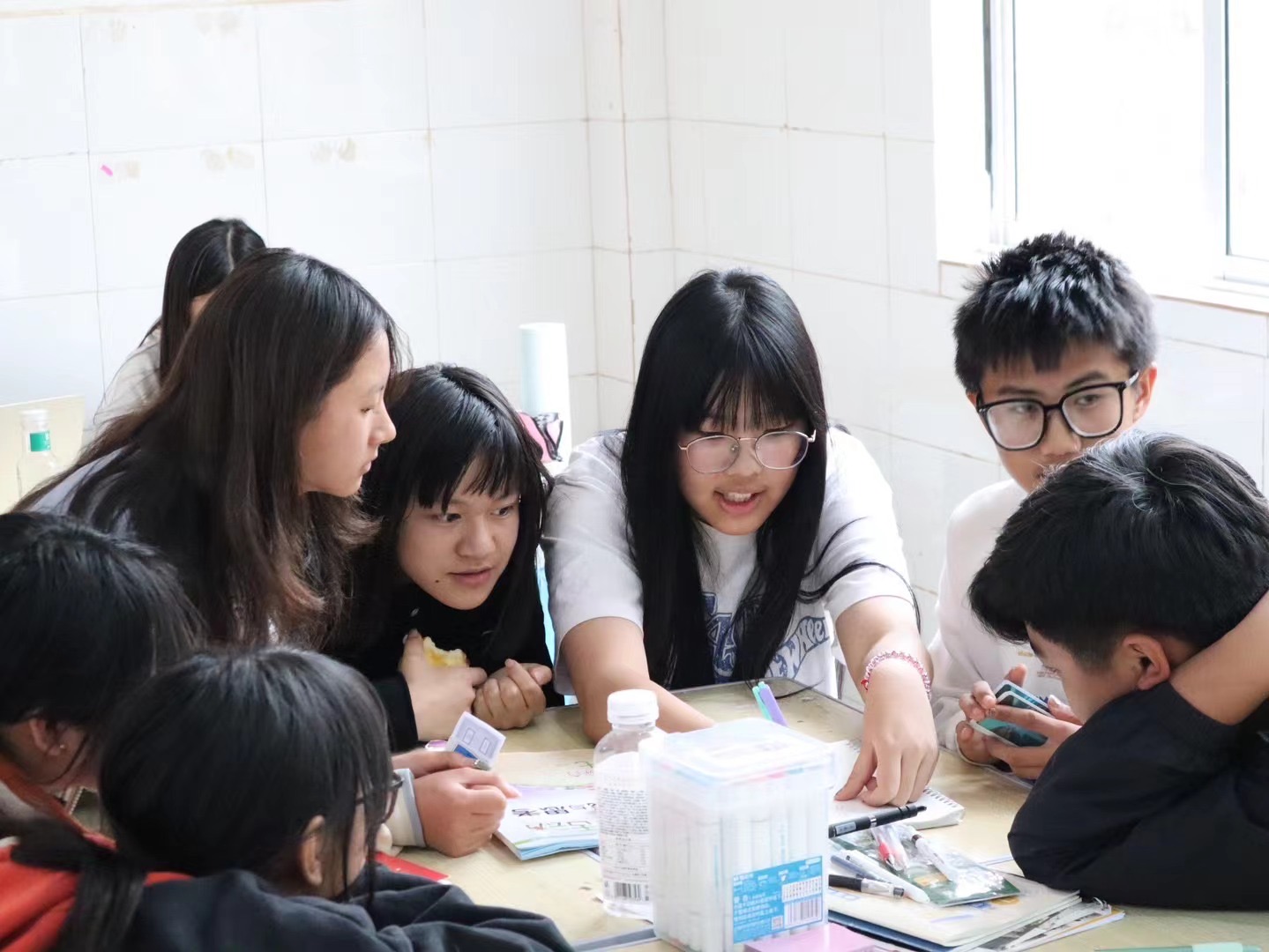
It came from talking to the students and principals at that school. We noticed many girls were dropping out in eighth or ninth grade, around 14 or 15. When we asked why, it was because they were pregnant, often without even understanding how it had happened. They had no choice but to leave school and marry very young. The school is in a mountainous ethnic-minority region where sex education is very underdeveloped, abortion isn’t really considered, and many people marry in the village before the legal age of 20.
So we saw sex education, along with basics like sanitary pads, as the first step toward giving girls the freedom to stay in school. Staying in school is the most important thing.
Hot water came from the same kind of realization. It gets very cold in the mountains, and without hot water, even basic hygiene becomes a daily struggle, especially for girls. If we wanted them to stay in school, teaching them wasn’t enough. We also had to take care of the basic conditions that let them show up every day feeling healthy and safe. Education, health, and infrastructure aren’t separate problems. For these students, they’re the same problem.
What was the biggest hurdle during the launch phase, and how did you and your team maintain momentum?
The biggest hurdle was simply getting started. Even when we came fully prepared, the approval process could take months, and many officials didn’t see why they should take on extra work. There were moments when it felt like we were fighting the system just to give something away for free.
What kept us going was focusing on one school instead of trying to change everything at once. Once we had one principal who trusted us and one camp that actually happened, the students themselves became our motivation. Seeing them every day made it impossible to give up.
How has leading this NGO shaped your perspective and academic journey at Minerva?
Before this, my understanding of social impact was very theoretical. I didn’t realize how many constraints there could be on doing something that benefits everyone. I learned that we live in an imperfect world, and that what you think is beneficial isn’t always seen that way by others.
I came to understand that people’s values, priorities, and constraints are shaped by their environment and the people around them. It made me more open-minded and inclusive, and much slower to judge people.
Which HCs or insights from your Minerva journey have proven most useful in scaling your project?
#audience, by far. In this work, I’m constantly talking to completely different people: principals worried about their workload, village officials who care about relationships and respect, and 14-year-old girls who have never talked openly about their bodies. The same message doesn’t work for all of them. Learning to understand what each person cares about, and adjusting how I communicate, is what made partnerships possible in the first place.
What key milestones or achievements are you most proud of? Are there specific stories of young women or girls that stand out to you?
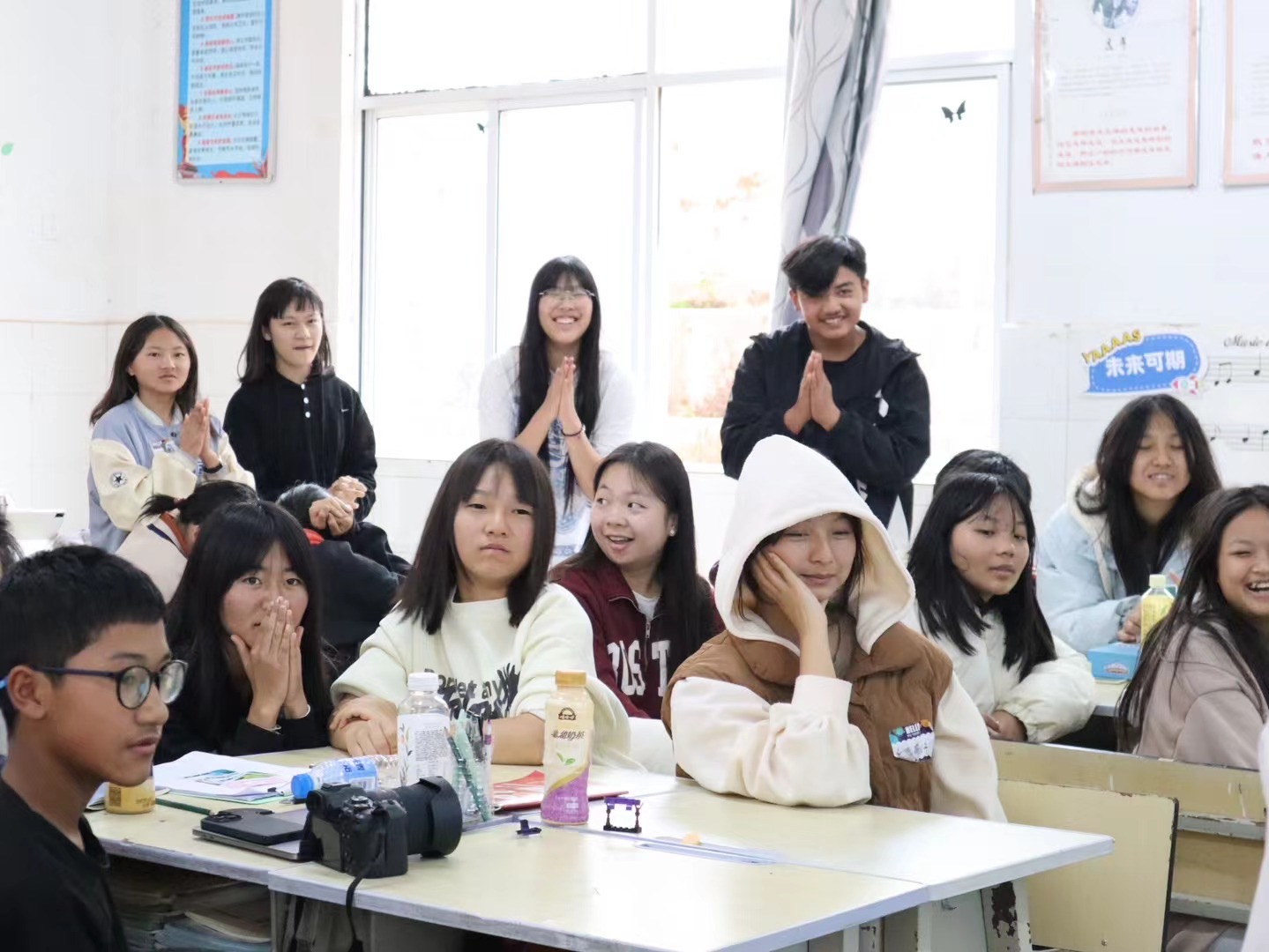
Yes, one in particular. When I first went to that school, there was a girl in ninth grade, her last year of middle school. In China, after middle school you take the zhongkao, a national exam, and you need to score above a cutoff to get into high school. For rural students, that’s very hard, and for most girls there, not getting in means either working or getting married soon after.
At first she seemed intimidating. She was tall and strong, with tattoos all over her fingers that she’d done herself with a compass when she was 12. She told me she’d been bullied for being big and darker-skinned, so she decided to act tough to protect herself. By the time I met her, she was basically the boss of the school. Everyone, boys and girls, called her “big brother.”
I talked with her almost every day. She told me she was the oldest of four, the only girl, and her parents didn’t want her in school at all. Without getting into high school, she would almost certainly be sent to work. But she was very firm: she wanted to study, and she asked for my help.
I made her a week-by-week study and review plan for every subject. My friends from the NGO and I bought her a phone so she could take online classes and stay in touch with us. Every weekend when she went home, I called her and answered her questions, mostly about English. Her village barely had an English teacher, yet she had to take the same exam as students in the city.
She got into high school. Not the best one, but she got in, and I’m so proud of her. She’s still there now and plans to go to a vocational college, which, for where she started, is genuinely a really good option.
Looking ahead, how do you envision the future of this project and your broader involvement in educational equity and healthcare access?
We want to keep the NGO small and local. Of course we’d love to reach more students and schools, but given our current capacity and resources, the most effective thing is to keep supporting the students and the two or three schools we already work with. We’d rather get real things done than have impressive numbers on paper.
What advice would you give to other students who want to launch grassroots initiatives but feel overwhelmed by the scale of the problems they want to solve?
Less planning, more doing. There will always be more changes than you can prepare for. When I started, I had no idea what the real constraints would be. I only learned them by showing up.
You don’t have to solve the whole problem. Start with one school, one community, even one student. Helping one girl get into high school didn’t fix rural education in China, but it changed her life, and that matters.
—
Ready to apply your learning to real-world challenges alongside global peers? Apply to Minerva and start shaping your impact today.
Quick Facts
Computational Sciences
Computational Sciences
Natural Sciences
Computational Sciences
Arts & Humanities, Natural Sciences
Social Sciences & Arts and Humanities
Business
Computational Sciences
Computational Sciences
Social Sciences & Business
Computational Sciences
Social Sciences
Computational Sciences & Business
Business & Computational Sciences
Computational Sciences
Computational Sciences
Social Sciences & Business
Business
Natural Sciences
Social Sciences
Social Sciences
Social Sciences & Business
Business & Computational Sciences
Business and Social Sciences
Social Sciences and Business
Computational Sciences & Social Sciences
Computer Science & Arts and Humanities
Business and Computational Sciences
Business and Social Sciences
Natural Sciences
Arts and Humanities
Business, Social Sciences
Business & Arts and Humanities
Computational Sciences
Natural Sciences, Computer Science
Computational Sciences
Arts & Humanities
Computational Sciences, Social Sciences
Computational Sciences
Computational Sciences
Natural Sciences, Social Sciences
Social Sciences, Natural Sciences
Data Science, Statistics
Computational Sciences
Business
Computational Sciences, Data Science
Social Sciences
Natural Sciences
Business, Natural Sciences
Business, Social Sciences
Computational Sciences
Arts & Humanities, Social Sciences
Social Sciences
Computational Sciences, Natural Sciences
Natural Sciences
Computational Sciences, Social Sciences
Business, Social Sciences
Computational Sciences
Natural Sciences, Social Sciences
Social Sciences
Arts & Humanities, Social Sciences
Arts & Humanities, Social Science
Social Sciences, Business
Arts & Humanities
Computational Sciences, Social Science
Natural Sciences, Computer Science
Computational Science, Statistic Natural Sciences
Business & Social Sciences
Sustainability
Sustainability
Natural Sciences & Sustainability
Natural Sciences
Sustainability
Computational Sciences
Computational Sciences
Computational Science & Business
Data Science and Statistics
Data Science and Statistics, Digital Practices
Earth and Environmental Systems
Cognition, Brain, and Behavior & Philosophy, Ethics, and the Law
Computational Theory and Analysis
Computer Science and Artificial Intelligence
Brand Management & Computer Science and Artificial Intelligence
Computer Science and Artificial Intelligence
Economics and Society & Strategic Finance
Enterprise Management
Economics and Society
Cells and Organisms & Brain, Cognition, and Behavior
Cognitive Science and Economics & Political Science
Applied Problem Solving & Computer Science and Artificial Intelligence
Computer Science and Artificial Intelligence & Cognition, Brain, and Behavior
Designing Societies & New Ventures
Strategic Finance & Data Science and Statistics
Brand Management and Designing Societies
Data Science & Economics
Machine Learning
Cells, Organisms, Data Science, Statistics
Arts & Literature and Historical Forces
Artificial Intelligence & Computer Science
Cells and Organisms, Mind and Emotion
Economics, Physics
Managing Operational Complexity and Strategic Finance
Global Development Studies and Brain, Cognition, and Behavior
Scalable Growth, Designing Societies
Business
Drug Discovery Research, Designing and Implementing Policies
Historical Forces, Cognition, Brain, and Behavior
Artificial Intelligence, Psychology
Designing Solutions, Data Science and Statistics
Data Science and Statistic, Theoretical Foundations of Natural Science
Strategic Finance, Politics, Government, and Society
Conversation
Yufan Liu, a Minerva student from Beijing, co-founded an NGO that supports students, especially girls, at rural schools in a mountainous ethnic-minority region of China. Its work ranges from sex education and hygiene supplies to hot-water infrastructure. We talked with her about bureaucracy, building trust, and the student whose story she can’t forget.
Could you share a bit about yourself and what first inspired you to get involved in social impact work before Minerva?
Growing up in Beijing, I went to a public school, one of the best in the city and even the country. All my classmates were from Beijing, and we didn’t really need to worry about anything besides studying. The social problems I saw on the news always felt very far away. I knew they existed, but it was hard to imagine they were happening in the same world I lived in.
That changed when I transferred to Moonshot Academy, an international school in Macao. It’s a lot like Minerva: it emphasizes self-directed, interdisciplinary learning and focuses heavily on local Chinese issues through field research and case studies. I was also there during COVID, and Beijing’s restrictions were some of the strictest in the country. For almost two years, we were essentially locked on campus. We couldn’t leave, order food, or go to exams, activities, or competitions. Being in that place at that time forced me to realize, for the first time, that these problems were part of my life. I could try to ignore them, but they would affect me whether I wanted them to or not.
After that, I went to do volunteer teaching in rural China. That experience shaped my values and my decisions more than anything else, including my decision to come to Minerva. I went at a point when I felt very lost. I didn’t know what my purpose was, or even what the point of studying was.
What was the defining moment or story behind your decision to co-found the NGO?
After my first time volunteering, I saw how much bureaucracy slowed down resources reaching the students who needed them. Even once we had an idea, like running a camp, it took more than two months just to get approval, because it had to go layer by layer from the city to the village to the principal and back again.
Founding our own NGO and partnering with existing ones made it much easier legally to work directly with schools. We actually started it so we could run that camp regularly with one school.
Your organization provides sex education, hygiene supplies, and infrastructure like public hot-water baths. How did you come to realize this multi-faceted approach was necessary?
It came from talking to the students and principals at that school. We noticed many girls were dropping out in eighth or ninth grade, around 14 or 15. When we asked why, it was because they were pregnant, often without even understanding how it had happened. They had no choice but to leave school and marry very young. The school is in a mountainous ethnic-minority region where sex education is very underdeveloped, abortion isn’t really considered, and many people marry in the village before the legal age of 20.
So we saw sex education, along with basics like sanitary pads, as the first step toward giving girls the freedom to stay in school. Staying in school is the most important thing.
Hot water came from the same kind of realization. It gets very cold in the mountains, and without hot water, even basic hygiene becomes a daily struggle, especially for girls. If we wanted them to stay in school, teaching them wasn’t enough. We also had to take care of the basic conditions that let them show up every day feeling healthy and safe. Education, health, and infrastructure aren’t separate problems. For these students, they’re the same problem.
What was the biggest hurdle during the launch phase, and how did you and your team maintain momentum?
The biggest hurdle was simply getting started. Even when we came fully prepared, the approval process could take months, and many officials didn’t see why they should take on extra work. There were moments when it felt like we were fighting the system just to give something away for free.
What kept us going was focusing on one school instead of trying to change everything at once. Once we had one principal who trusted us and one camp that actually happened, the students themselves became our motivation. Seeing them every day made it impossible to give up.
How has leading this NGO shaped your perspective and academic journey at Minerva?
Before this, my understanding of social impact was very theoretical. I didn’t realize how many constraints there could be on doing something that benefits everyone. I learned that we live in an imperfect world, and that what you think is beneficial isn’t always seen that way by others.
I came to understand that people’s values, priorities, and constraints are shaped by their environment and the people around them. It made me more open-minded and inclusive, and much slower to judge people.
Which HCs or insights from your Minerva journey have proven most useful in scaling your project?
#audience, by far. In this work, I’m constantly talking to completely different people: principals worried about their workload, village officials who care about relationships and respect, and 14-year-old girls who have never talked openly about their bodies. The same message doesn’t work for all of them. Learning to understand what each person cares about, and adjusting how I communicate, is what made partnerships possible in the first place.
What key milestones or achievements are you most proud of? Are there specific stories of young women or girls that stand out to you?
Yes, one in particular. When I first went to that school, there was a girl in ninth grade, her last year of middle school. In China, after middle school you take the zhongkao, a national exam, and you need to score above a cutoff to get into high school. For rural students, that’s very hard, and for most girls there, not getting in means either working or getting married soon after.
At first she seemed intimidating. She was tall and strong, with tattoos all over her fingers that she’d done herself with a compass when she was 12. She told me she’d been bullied for being big and darker-skinned, so she decided to act tough to protect herself. By the time I met her, she was basically the boss of the school. Everyone, boys and girls, called her “big brother.”
I talked with her almost every day. She told me she was the oldest of four, the only girl, and her parents didn’t want her in school at all. Without getting into high school, she would almost certainly be sent to work. But she was very firm: she wanted to study, and she asked for my help.
I made her a week-by-week study and review plan for every subject. My friends from the NGO and I bought her a phone so she could take online classes and stay in touch with us. Every weekend when she went home, I called her and answered her questions, mostly about English. Her village barely had an English teacher, yet she had to take the same exam as students in the city.
She got into high school. Not the best one, but she got in, and I’m so proud of her. She’s still there now and plans to go to a vocational college, which, for where she started, is genuinely a really good option.
Looking ahead, how do you envision the future of this project and your broader involvement in educational equity and healthcare access?
We want to keep the NGO small and local. Of course we’d love to reach more students and schools, but given our current capacity and resources, the most effective thing is to keep supporting the students and the two or three schools we already work with. We’d rather get real things done than have impressive numbers on paper.
What advice would you give to other students who want to launch grassroots initiatives but feel overwhelmed by the scale of the problems they want to solve?
Less planning, more doing. There will always be more changes than you can prepare for. When I started, I had no idea what the real constraints would be. I only learned them by showing up.
You don’t have to solve the whole problem. Start with one school, one community, even one student. Helping one girl get into high school didn’t fix rural education in China, but it changed her life, and that matters.
—
Ready to apply your learning to real-world challenges alongside global peers? Apply to Minerva and start shaping your impact today.