.png)


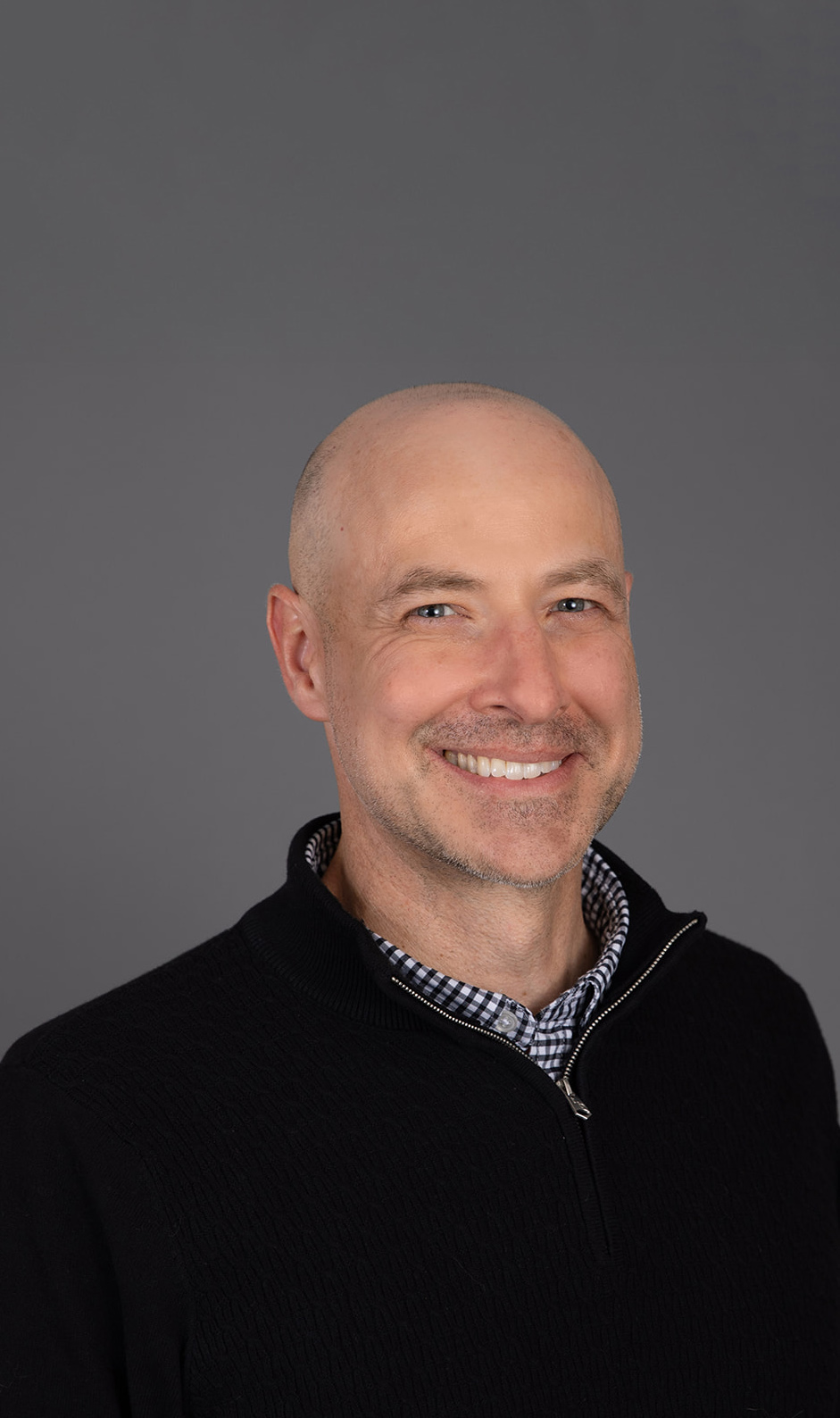
From covering the White House to reporting on the wars in Afghanistan and Iraq, to now teaching at Minerva and running a nonprofit, Professor Mark Kukis has followed an unconventional path shaped by journalism, education, and public service.
As a journalism student at the University of Texas at Austin, Kukis was fascinated by American foreign policy and the country’s role in the post-Cold War world. He considered becoming a foreign service officer and interned at the State Department, but quickly realized government work was not for him. Journalism remained, though he was hardly certain it would become a lifelong career.
What followed was a decade in journalism that carried him far beyond those early doubts and eventually led him to a Minerva classroom.
From the newsroom to the White House
Kukis' first job was an overnight shift as a copy editor at United Press International, fixing typos in dispatches filed from across Asia between ten at night and eight in the morning. Within a few years, he was covering the White House, with a seat in the presidential motorcade, a spot on Air Force One, and a place in the small pool of journalists who traveled with the president.
For all the prestige and access, he found the work "deeply unsatisfying." Instead of uncovering stories, much of his job was reporting what campaigns and White House officials chose to share. "I'm a little more than a stenographer," he says, "just waiting around for these campaigns and the White House to tell me whatever they want to tell me."
What he wanted was journalism that carried more weight. He had long believed the highest calling in the profession was war reporting, for one reason above all: accountability. "When the U.S. government goes and takes actions outside its borders, who's there for accountability purposes?" he asks. "Almost no one."
Then, the September 11 attacks happened, and the next step in his career became clear.
Reporting the war, then writing its history
When his editors declined to send an untested correspondent into Afghanistan, Kukis quit and went on his own as a freelancer, covering the early years of the American intervention on his own. By 2006, Iraq had become too dangerous to report alone, so he joined Time magazine and spent three years there, through the worst of the violence.
Kukis eventually decided to step away from war reporting. He had met the woman who would become his wife and wanted to build a life with her. Friends had been killed and wounded, and he knew his own luck would not last forever.
He also didn't want to leave only news articles behind. During his years in Iraq, Kukis collected oral histories that became Voices from Iraq: A People's History, 2003-2009, published by Columbia University Press in 2011. He had wanted to do more than file reports: "I was there witnessing history," he says, "and I wanted to put a book out there that could stand as something really important for people to look at decades hence."
He wrote the book to give Iraqis a voice in a story that, in the American press, was too often told without them. As it began appearing on university syllabi, he started imagining a different future. If his work belonged in the classroom, perhaps he did too. He went on to earn a Ph.D. in United States history and international relations from Boston University before joining Minerva as one of its first faculty members.
Bringing the world into the classroom
At Minerva, Kukis teaches government, history, and journalism, drawing on the decade he spent reporting and on a belief that understanding the world takes more than skimming headlines.
That belief shapes how his teaching follows current events. When he first proposed a course on the modern Middle East, there was little room in the curriculum and not enough student demand. At the start of the Israel-Gaza war, students increasingly sought resources to understand the region and discuss the conflict as a community. That demand ultimately helped bring the course into the curriculum.
His advice for navigating a flood of information comes from the same discipline as his reporting. "Find some trusted sources of information," he says. For him, that means the Associated Press, which he describes as "one of the more straight-arrow news organizations I know of." He acknowledges its limitations, but says he generally finds it "timely and accurate."
For the Middle East, he points to Al Jazeera English: "They've got a lens through which they look at it. You have to be cognizant of that, but they have great reporting."
Still, trusted sources are only a starting point. As he puts it, "there's no substitute for formal study of any given topic."
The work of Citizenship Coalition
Long before he was a professor, Kukis was a volunteer. He mentored youth, worked on hunger and homelessness, and spent years teaching adult literacy in Washington, D.C. He still counts it among the most meaningful work he has done.
"Teaching somebody to read is transformational," he says. "Once you teach somebody to read, they never go back."
That conviction led him to citizenship education. After helping three of his former Iraqi colleagues resettle in the United States and watching them navigate the anxiety of an uncertain immigration status, Kukis saw how much a passport could change a person's life. He began teaching citizenship preparation classes near Boston, and when the pandemic moved everything online, a one-on-one tutoring program grew out of it.
The individual format became central to the program, letting him coach each learner through their particular gaps and be more than an instructor to them.
"It's just like tennis," he says of the one-to-one approach. "How are you going to get better, with an individual coach or in a group?"
Most of the people he works with are young mothers holding down one or two jobs while studying for the test. Being a steady source of support for someone in that position, he says, matters as much as the tutoring itself.
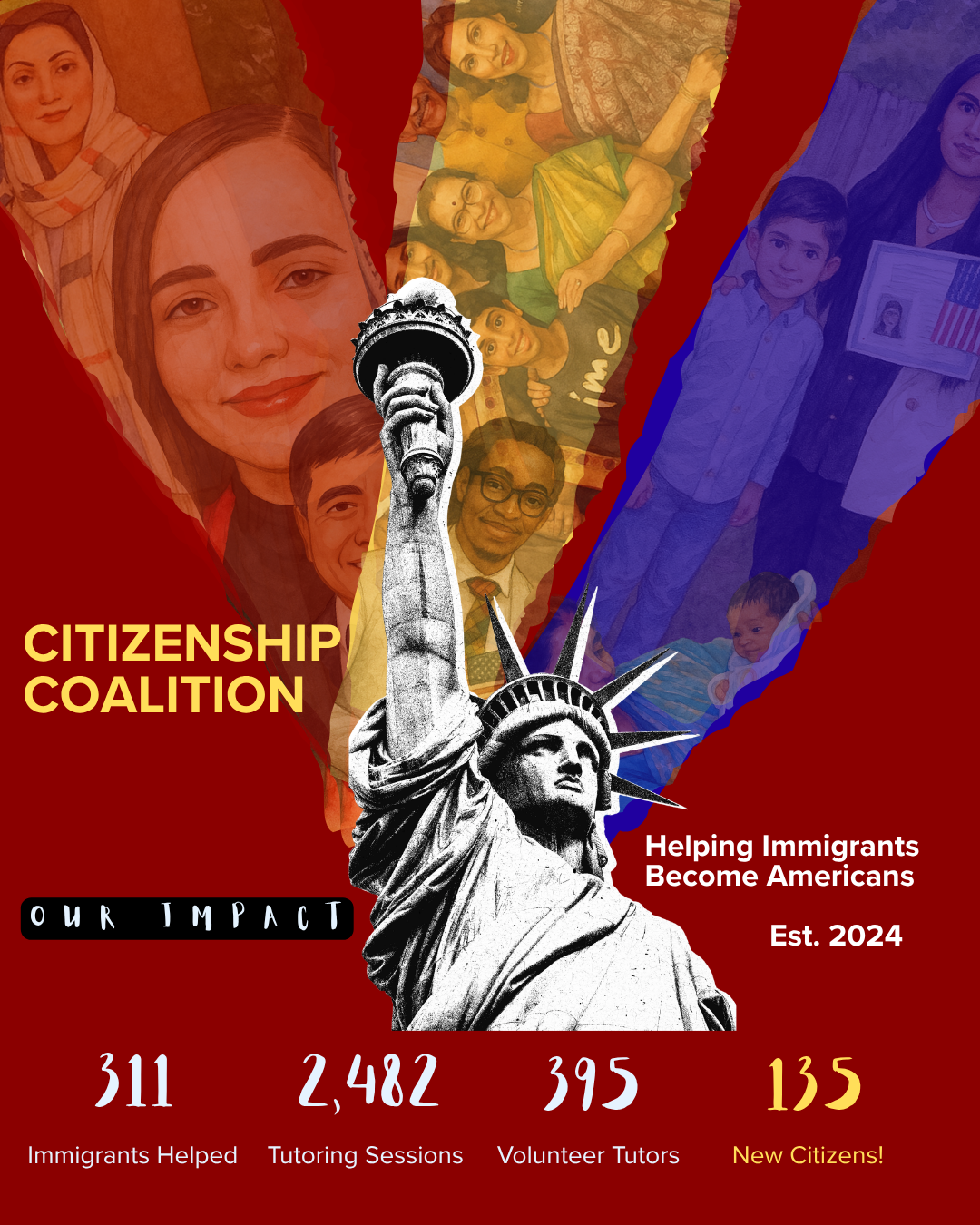
Eventually, Kukis decided the model could reach well beyond Boston. He put up his own money, recruited a board, and founded Citizenship Coalition, an all-virtual, all-volunteer nonprofit.
"I could not have started the nonprofit without Minerva," he says. "No way."
Minerva students have staffed Citizenship Coalition from the start as interns and volunteers, part of a volunteer corps that has grown from roughly 60 in 2024 to more than 300 in 2026, helping 135 immigrants gain U.S. citizenship since the organization launched.
Education that lasts
Looking back, Kukis sees a clear connection between journalism, teaching, and his Citizenship Coalition work. All three are, in different ways, about giving people the tools to understand the world for themselves.
"You give somebody an education, and you can't take it away from them," he says. "They're educated for life."
—
Professor Kukis is one of many faculty who make a Minerva education something students carry with them for life. Interested in learning more? Explore Minerva’s programs here.
Quick Facts
Computational Sciences
Computational Sciences
Natural Sciences
Computational Sciences
Arts & Humanities, Natural Sciences
Social Sciences & Arts and Humanities
Business
Computational Sciences
Computational Sciences
Social Sciences & Business
Computational Sciences
Social Sciences
Computational Sciences & Business
Business & Computational Sciences
Computational Sciences
Computational Sciences
Social Sciences & Business
Business
Natural Sciences
Social Sciences
Social Sciences
Social Sciences & Business
Business & Computational Sciences
Business and Social Sciences
Social Sciences and Business
Computational Sciences & Social Sciences
Computer Science & Arts and Humanities
Business and Computational Sciences
Business and Social Sciences
Natural Sciences
Arts and Humanities
Business, Social Sciences
Business & Arts and Humanities
Computational Sciences
Natural Sciences, Computer Science
Computational Sciences
Arts & Humanities
Computational Sciences, Social Sciences
Computational Sciences
Computational Sciences
Natural Sciences, Social Sciences
Social Sciences, Natural Sciences
Data Science, Statistics
Computational Sciences
Business
Computational Sciences, Data Science
Social Sciences
Natural Sciences
Business, Natural Sciences
Business, Social Sciences
Computational Sciences
Arts & Humanities, Social Sciences
Social Sciences
Computational Sciences, Natural Sciences
Natural Sciences
Computational Sciences, Social Sciences
Business, Social Sciences
Computational Sciences
Natural Sciences, Social Sciences
Social Sciences
Arts & Humanities, Social Sciences
Arts & Humanities, Social Science
Social Sciences, Business
Arts & Humanities
Computational Sciences, Social Science
Natural Sciences, Computer Science
Computational Science, Statistic Natural Sciences
Business & Social Sciences
Sustainability
Sustainability
Natural Sciences & Sustainability
Natural Sciences
Sustainability
Computational Sciences
Computational Sciences
Computational Science & Business
Data Science and Statistics
Data Science and Statistics, Digital Practices
Earth and Environmental Systems
Cognition, Brain, and Behavior & Philosophy, Ethics, and the Law
Computational Theory and Analysis
Computer Science and Artificial Intelligence
Brand Management & Computer Science and Artificial Intelligence
Computer Science and Artificial Intelligence
Economics and Society & Strategic Finance
Enterprise Management
Economics and Society
Cells and Organisms & Brain, Cognition, and Behavior
Cognitive Science and Economics & Political Science
Applied Problem Solving & Computer Science and Artificial Intelligence
Computer Science and Artificial Intelligence & Cognition, Brain, and Behavior
Designing Societies & New Ventures
Strategic Finance & Data Science and Statistics
Brand Management and Designing Societies
Data Science & Economics
Machine Learning
Cells, Organisms, Data Science, Statistics
Arts & Literature and Historical Forces
Artificial Intelligence & Computer Science
Cells and Organisms, Mind and Emotion
Economics, Physics
Managing Operational Complexity and Strategic Finance
Global Development Studies and Brain, Cognition, and Behavior
Scalable Growth, Designing Societies
Business
Drug Discovery Research, Designing and Implementing Policies
Historical Forces, Cognition, Brain, and Behavior
Artificial Intelligence, Psychology
Designing Solutions, Data Science and Statistics
Data Science and Statistic, Theoretical Foundations of Natural Science
Strategic Finance, Politics, Government, and Society
Conversation
From covering the White House to reporting on the wars in Afghanistan and Iraq, to now teaching at Minerva and running a nonprofit, Professor Mark Kukis has followed an unconventional path shaped by journalism, education, and public service.
As a journalism student at the University of Texas at Austin, Kukis was fascinated by American foreign policy and the country’s role in the post-Cold War world. He considered becoming a foreign service officer and interned at the State Department, but quickly realized government work was not for him. Journalism remained, though he was hardly certain it would become a lifelong career.
What followed was a decade in journalism that carried him far beyond those early doubts and eventually led him to a Minerva classroom.
From the newsroom to the White House
Kukis' first job was an overnight shift as a copy editor at United Press International, fixing typos in dispatches filed from across Asia between ten at night and eight in the morning. Within a few years, he was covering the White House, with a seat in the presidential motorcade, a spot on Air Force One, and a place in the small pool of journalists who traveled with the president.
For all the prestige and access, he found the work "deeply unsatisfying." Instead of uncovering stories, much of his job was reporting what campaigns and White House officials chose to share. "I'm a little more than a stenographer," he says, "just waiting around for these campaigns and the White House to tell me whatever they want to tell me."
What he wanted was journalism that carried more weight. He had long believed the highest calling in the profession was war reporting, for one reason above all: accountability. "When the U.S. government goes and takes actions outside its borders, who's there for accountability purposes?" he asks. "Almost no one."
Then, the September 11 attacks happened, and the next step in his career became clear.
Reporting the war, then writing its history
When his editors declined to send an untested correspondent into Afghanistan, Kukis quit and went on his own as a freelancer, covering the early years of the American intervention on his own. By 2006, Iraq had become too dangerous to report alone, so he joined Time magazine and spent three years there, through the worst of the violence.
Kukis eventually decided to step away from war reporting. He had met the woman who would become his wife and wanted to build a life with her. Friends had been killed and wounded, and he knew his own luck would not last forever.
He also didn't want to leave only news articles behind. During his years in Iraq, Kukis collected oral histories that became Voices from Iraq: A People's History, 2003-2009, published by Columbia University Press in 2011. He had wanted to do more than file reports: "I was there witnessing history," he says, "and I wanted to put a book out there that could stand as something really important for people to look at decades hence."
He wrote the book to give Iraqis a voice in a story that, in the American press, was too often told without them. As it began appearing on university syllabi, he started imagining a different future. If his work belonged in the classroom, perhaps he did too. He went on to earn a Ph.D. in United States history and international relations from Boston University before joining Minerva as one of its first faculty members.
Bringing the world into the classroom
At Minerva, Kukis teaches government, history, and journalism, drawing on the decade he spent reporting and on a belief that understanding the world takes more than skimming headlines.
That belief shapes how his teaching follows current events. When he first proposed a course on the modern Middle East, there was little room in the curriculum and not enough student demand. At the start of the Israel-Gaza war, students increasingly sought resources to understand the region and discuss the conflict as a community. That demand ultimately helped bring the course into the curriculum.
His advice for navigating a flood of information comes from the same discipline as his reporting. "Find some trusted sources of information," he says. For him, that means the Associated Press, which he describes as "one of the more straight-arrow news organizations I know of." He acknowledges its limitations, but says he generally finds it "timely and accurate."
For the Middle East, he points to Al Jazeera English: "They've got a lens through which they look at it. You have to be cognizant of that, but they have great reporting."
Still, trusted sources are only a starting point. As he puts it, "there's no substitute for formal study of any given topic."
The work of Citizenship Coalition
Long before he was a professor, Kukis was a volunteer. He mentored youth, worked on hunger and homelessness, and spent years teaching adult literacy in Washington, D.C. He still counts it among the most meaningful work he has done.
"Teaching somebody to read is transformational," he says. "Once you teach somebody to read, they never go back."
That conviction led him to citizenship education. After helping three of his former Iraqi colleagues resettle in the United States and watching them navigate the anxiety of an uncertain immigration status, Kukis saw how much a passport could change a person's life. He began teaching citizenship preparation classes near Boston, and when the pandemic moved everything online, a one-on-one tutoring program grew out of it.
The individual format became central to the program, letting him coach each learner through their particular gaps and be more than an instructor to them.
"It's just like tennis," he says of the one-to-one approach. "How are you going to get better, with an individual coach or in a group?"
Most of the people he works with are young mothers holding down one or two jobs while studying for the test. Being a steady source of support for someone in that position, he says, matters as much as the tutoring itself.
Eventually, Kukis decided the model could reach well beyond Boston. He put up his own money, recruited a board, and founded Citizenship Coalition, an all-virtual, all-volunteer nonprofit.
"I could not have started the nonprofit without Minerva," he says. "No way."
Minerva students have staffed Citizenship Coalition from the start as interns and volunteers, part of a volunteer corps that has grown from roughly 60 in 2024 to more than 300 in 2026, helping 135 immigrants gain U.S. citizenship since the organization launched.
Education that lasts
Looking back, Kukis sees a clear connection between journalism, teaching, and his Citizenship Coalition work. All three are, in different ways, about giving people the tools to understand the world for themselves.
"You give somebody an education, and you can't take it away from them," he says. "They're educated for life."
—
Professor Kukis is one of many faculty who make a Minerva education something students carry with them for life. Interested in learning more? Explore Minerva’s programs here.