


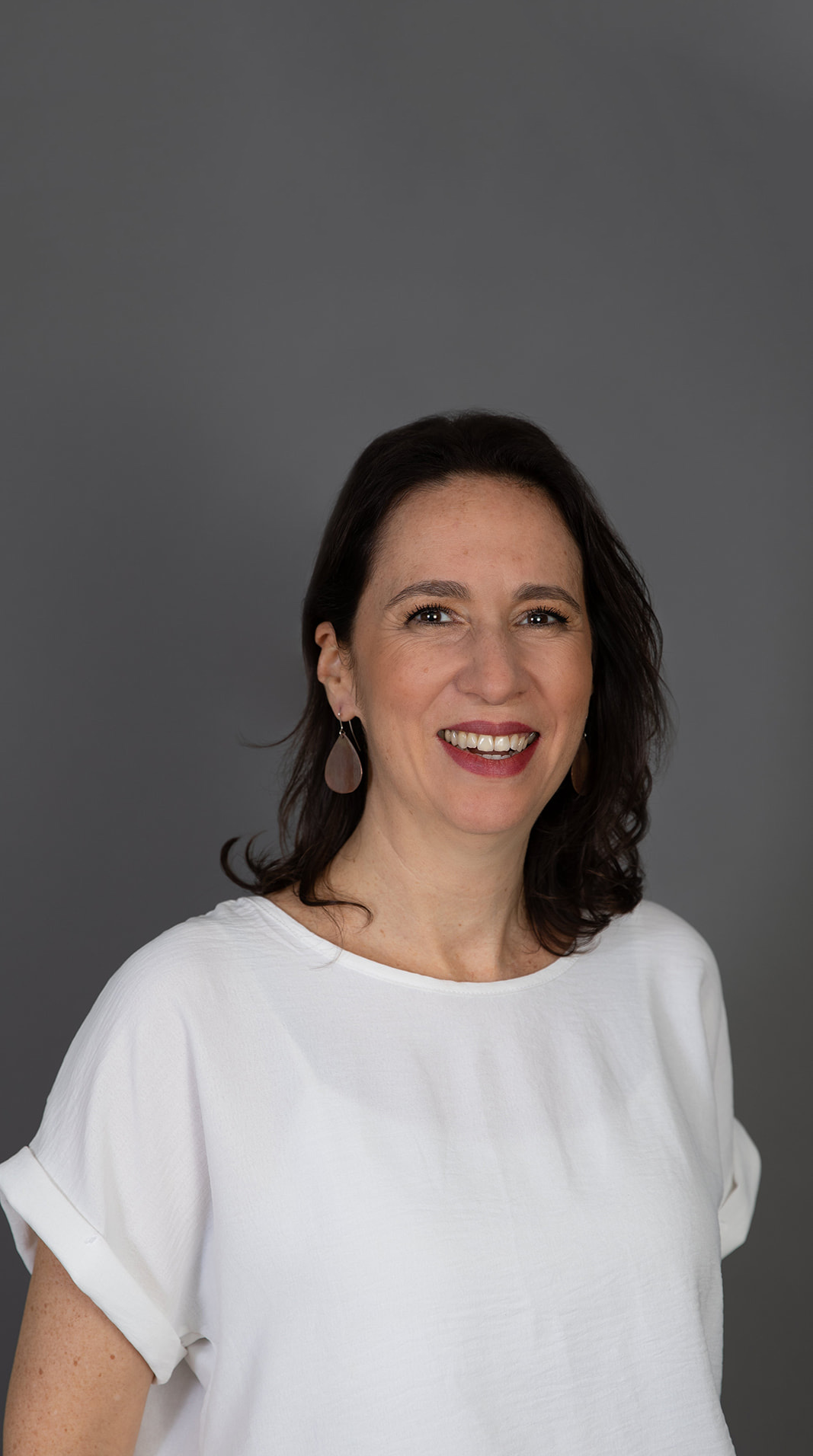
Tell us a little about yourself. How has your background in art history and education shaped your work, and what brought you to Minerva?
My academic background is in art history, but my professional journey has always been closely connected to education, international development, and cross-cultural engagement. Art history taught me something that has stayed with me throughout my career: that understanding any society requires looking beyond what is immediately visible and examining the historical, cultural, political, and social forces that shape it.
It also taught me to question assumptions and recognize that there are always multiple ways of interpreting the world. These perspectives have profoundly influenced how I approach education and, particularly, how I think about the value of learning through direct engagement with different cultures and communities.
Before joining Minerva, I spent many years working in international organizations and educational initiatives, where I became increasingly interested in the relationship between education and social impact. What attracted me to Minerva was its willingness to fundamentally rethink higher education, particularly the idea that the world itself can become an extension of the classroom.
Today, as Associate Dean and Global Director of Student Life, I have the privilege of working across our global rotation cities to create opportunities for students to engage meaningfully with the places where they live. For me, the most exciting part of this work is helping students move beyond simply experiencing a city to understanding its complexities, building relationships with its communities, and recognizing their potential to contribute.
What are Global Civic Projects, and how does this year-long pilot in Tokyo and Buenos Aires build on Minerva’s existing Civic Projects?
Civic Projects have long been an important component of the Minerva experience, offering students opportunities to collaborate with local organizations and apply their knowledge and skills to real-world challenges. Global Civic Projects build on that foundation but introduce a different level of ambition and institutional collaboration.
Rather than students joining individual projects with different organizations, we are bringing together teams of students, city governments, and community stakeholders around a shared urban challenge. The goal is to create a more structured, sustained process through which students can develop a deeper understanding of a complex issue and contribute to identifying potential solutions.
What makes this pilot particularly exciting is that it connects two very different cities, Tokyo and Buenos Aires, around a common challenge while recognizing that solutions must be grounded in local realities.
The program unfolds over an academic year, beginning with research, stakeholder engagement, and an exploration of the problem during the fall semester, followed by an open innovation process in the spring. Students are not simply volunteering or completing an academic assignment. They are participating in a collaborative process that asks them to listen, question assumptions, and ultimately develop proposals that could be valuable to the cities themselves.
Why were urban heat waves chosen as the focus, and what challenges will students tackle alongside city officials and community partners?
Urban heat waves were chosen because they represent an increasingly urgent challenge for cities around the world, but one that manifests differently depending on geography, infrastructure, demographics, and socioeconomic conditions.
Both Tokyo and Buenos Aires face rising temperatures and the consequences of extreme heat, yet their urban environments, public policies, and community needs are quite different. This makes heat waves an especially interesting subject for a global civic initiative: the challenge is shared, but the responses cannot simply be replicated from one city to another.
It is also a problem that sits at the intersection of environmental sustainability, public health, urban planning, technology, and social equity, making it particularly well suited to Minerva's interdisciplinary approach.
One of the most important dimensions of this challenge is that extreme heat does not affect everyone equally. Older adults, people with underlying health conditions, outdoor workers, and residents of neighborhoods with limited green space or inadequate infrastructure may face disproportionate risks.
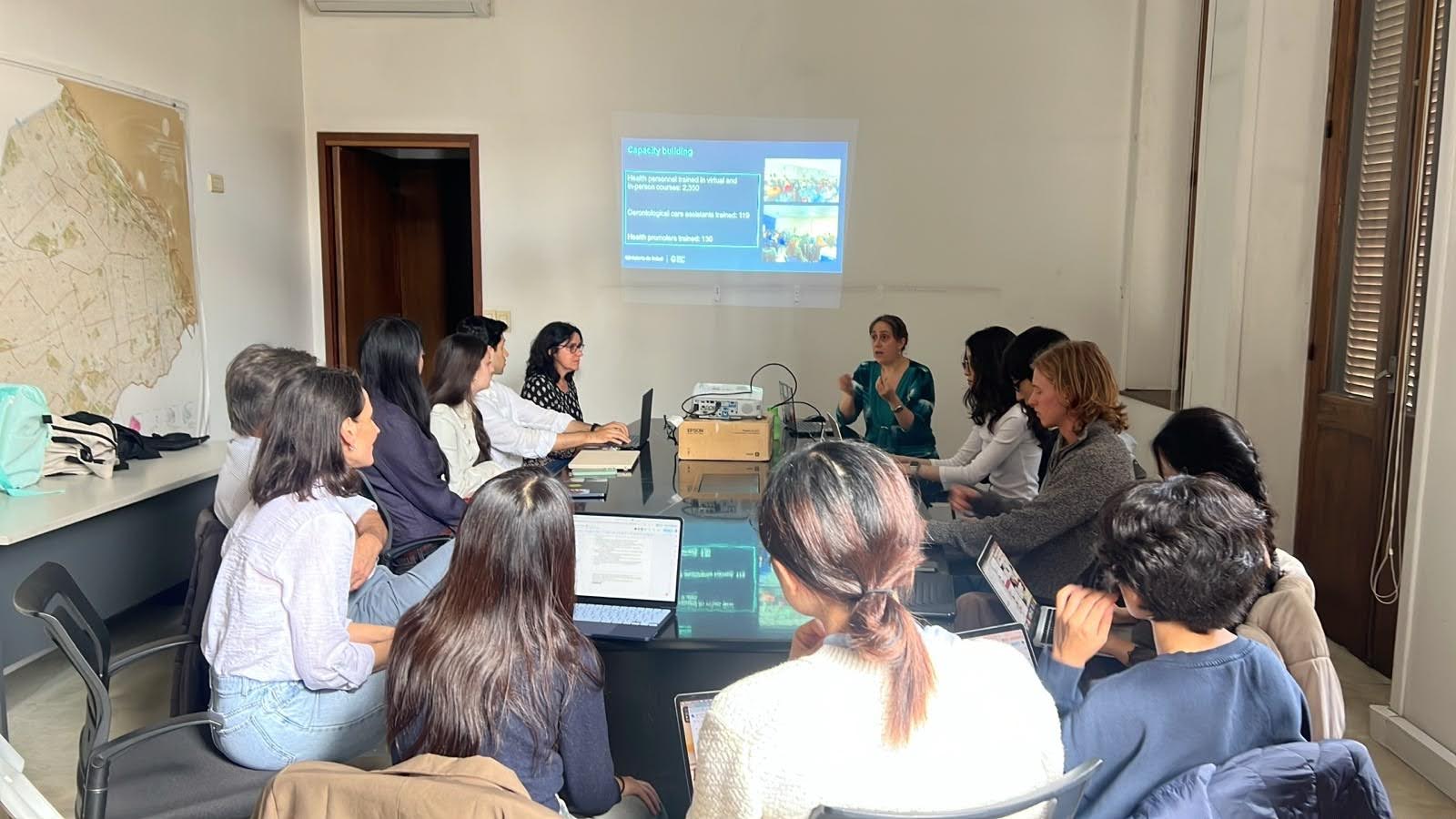
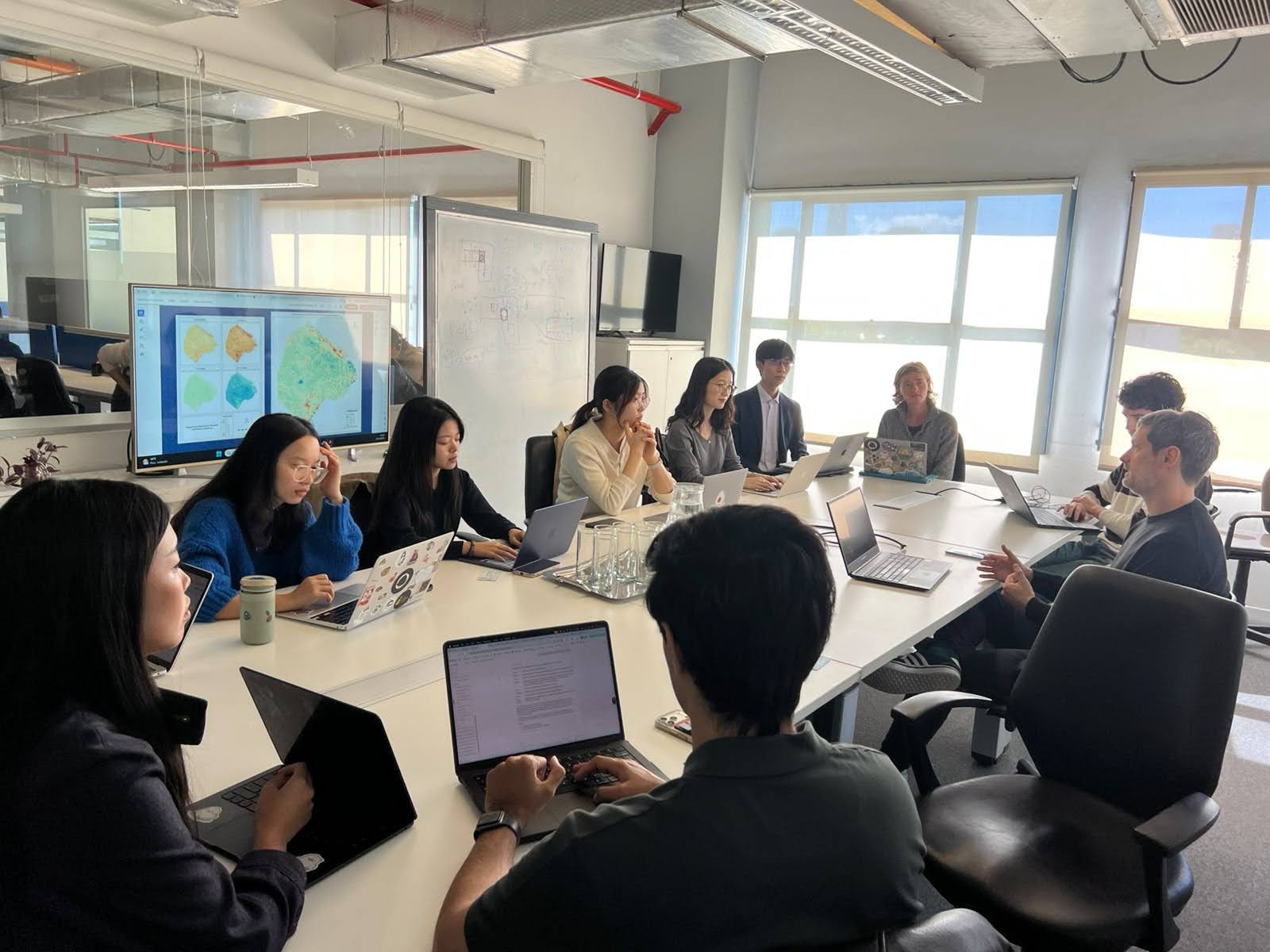
Working alongside city officials and community partners, students will explore how heat affects different populations, what measures are already in place, where gaps may exist, and what opportunities there are for improvement. Importantly, we are not asking students to arrive with ready-made solutions.
We want them to begin by understanding the problem through research, conversations with stakeholders, and direct engagement with the urban environment. The quality of their eventual proposals will depend on how well they understand the needs and perspectives of the communities they hope to serve.
What qualities make a student a strong fit for the program?
I would say that intellectual curiosity, initiative, humility, and a genuine commitment to collaboration are among the most important qualities. Strong candidates are not necessarily those who already know the most about climate change or urban sustainability. Rather, they are students who ask thoughtful questions, are willing to challenge their own assumptions, and understand that meaningful civic engagement begins with listening. The ability to work effectively with people from different backgrounds, disciplines, and perspectives is equally important, particularly in a program that involves collaboration with government representatives, community organizations, and local experts.
Another essential quality is commitment. This is a year-long initiative that requires sustained engagement, responsibility, and the ability to navigate uncertainty. Students will need to manage competing priorities, work constructively within their teams, and remain engaged even when their initial ideas do not work out as expected.
I also think it is important that students approach this experience with a sense of humility. They are entering cities with their own histories, institutions, expertise, and ongoing efforts to address these challenges. Our students bring valuable perspectives and analytical skills, but they are not there to tell communities what they need. They are there to learn from them and explore how they can contribute. That distinction is fundamental to the kind of civic engagement we want to cultivate at Minerva.
How will students apply their classroom learning, and what do you hope they’ll have accomplished by Innovation Demo Day?
One of the defining characteristics of Minerva's educational model is its emphasis on transferring knowledge and skills across different contexts. Global Civic Projects provide an opportunity to put that principle into practice in a particularly meaningful way.
Students will draw on the analytical frameworks and problem-solving approaches they develop in their courses to investigate a complex urban challenge. They will need to assess evidence and work collaboratively to develop possible interventions.
But perhaps just as importantly, they will discover that applying academic knowledge to real-world problems requires navigating constraints that are not always visible in the classroom, including institutional priorities, limited resources and the practical realities of implementing change.
By Innovation Demo Day, I hope students will have accomplished much more than producing an impressive presentation. I would like to see teams that have developed a sophisticated understanding of the problem they chose to address, established meaningful relationships with relevant stakeholders, and designed thoughtful, evidence-based proposals that respond to clearly identified needs.
Ideally, their ideas will be sufficiently developed and realistic that city representatives can consider whether they merit further exploration or implementation. At the same time, I think we need to be careful about how we define success.
Not every promising idea will become a public policy or a new city initiative, particularly within the timeframe of an academic year. Success also means producing useful knowledge, identifying opportunities that had not been fully explored, and demonstrating that students can contribute responsibly and constructively to complex public challenges.
What do you hope Tokyo and Buenos Aires gain from this collaboration, and how might the program grow beyond its first year?
My hope is that both cities gain something tangible from the collaboration: fresh perspectives, creative ideas, and an opportunity to engage with a highly diverse group of young people who bring different cultural experiences and disciplinary approaches to the same challenge.
Minerva students come from more than 100 countries, and that diversity can be particularly valuable when examining problems that are simultaneously local and global. But I also believe that the value of the partnership must be defined by the cities themselves.
We want to understand their priorities, complement the work they are already doing, and contribute in ways that are genuinely useful. The strongest partnerships are reciprocal: students gain extraordinary learning opportunities, while our partners gain insights, research, and ideas that support their own efforts. I would also love to see opportunities emerge for Tokyo and Buenos Aires to learn from one another, despite their very different contexts.
Looking beyond the pilot, I see Global Civic Projects as a model with considerable potential for growth. If we can demonstrate that this approach creates meaningful educational experiences for students while generating value for our city partners, there is an opportunity to expand it to other Minerva rotation cities and potentially explore additional shared urban challenges.
Over time, I would love to see us develop a network of cities collaborating with Minerva students on issues of common concern, with each city contributing its own expertise and perspectives.
Ultimately, my aspiration is for Global Civic Projects to demonstrate what becomes possible when a university sees the cities where its students live as genuine partners in the learning process.
–
Explore Minerva’s approach to global learning and discover how civic engagement connects classroom knowledge with community priorities.
Quick Facts
Computational Sciences
Computational Sciences
Natural Sciences
Computational Sciences
Arts & Humanities, Natural Sciences
Social Sciences & Arts and Humanities
Business
Computational Sciences
Computational Sciences
Social Sciences & Business
Computational Sciences
Social Sciences
Computational Sciences & Business
Business & Computational Sciences
Computational Sciences
Computational Sciences
Social Sciences & Business
Business
Natural Sciences
Social Sciences
Social Sciences
Social Sciences & Business
Business & Computational Sciences
Business and Social Sciences
Social Sciences and Business
Computational Sciences & Social Sciences
Computer Science & Arts and Humanities
Business and Computational Sciences
Business and Social Sciences
Natural Sciences
Arts and Humanities
Business, Social Sciences
Business & Arts and Humanities
Computational Sciences
Natural Sciences, Computer Science
Computational Sciences
Arts & Humanities
Computational Sciences, Social Sciences
Computational Sciences
Computational Sciences
Natural Sciences, Social Sciences
Social Sciences, Natural Sciences
Data Science, Statistics
Computational Sciences
Business
Computational Sciences, Data Science
Social Sciences
Natural Sciences
Business, Natural Sciences
Business, Social Sciences
Computational Sciences
Arts & Humanities, Social Sciences
Social Sciences
Computational Sciences, Natural Sciences
Natural Sciences
Computational Sciences, Social Sciences
Business, Social Sciences
Computational Sciences
Natural Sciences, Social Sciences
Social Sciences
Arts & Humanities, Social Sciences
Arts & Humanities, Social Science
Social Sciences, Business
Arts & Humanities
Computational Sciences, Social Science
Natural Sciences, Computer Science
Computational Science, Statistic Natural Sciences
Business & Social Sciences
Sustainability
Sustainability
Natural Sciences & Sustainability
Natural Sciences
Sustainability
Computational Sciences
Computational Sciences
Computational Science & Business
Data Science and Statistics
Data Science and Statistics, Digital Practices
Earth and Environmental Systems
Cognition, Brain, and Behavior & Philosophy, Ethics, and the Law
Computational Theory and Analysis
Computer Science and Artificial Intelligence
Brand Management & Computer Science and Artificial Intelligence
Computer Science and Artificial Intelligence
Economics and Society & Strategic Finance
Enterprise Management
Economics and Society
Cells and Organisms & Brain, Cognition, and Behavior
Cognitive Science and Economics & Political Science
Applied Problem Solving & Computer Science and Artificial Intelligence
Computer Science and Artificial Intelligence & Cognition, Brain, and Behavior
Designing Societies & New Ventures
Strategic Finance & Data Science and Statistics
Brand Management and Designing Societies
Data Science & Economics
Machine Learning
Cells, Organisms, Data Science, Statistics
Arts & Literature and Historical Forces
Artificial Intelligence & Computer Science
Cells and Organisms, Mind and Emotion
Economics, Physics
Managing Operational Complexity and Strategic Finance
Global Development Studies and Brain, Cognition, and Behavior
Scalable Growth, Designing Societies
Business
Drug Discovery Research, Designing and Implementing Policies
Historical Forces, Cognition, Brain, and Behavior
Artificial Intelligence, Psychology
Designing Solutions, Data Science and Statistics
Data Science and Statistic, Theoretical Foundations of Natural Science
Strategic Finance, Politics, Government, and Society
Conversation
Tell us a little about yourself. How has your background in art history and education shaped your work, and what brought you to Minerva?
My academic background is in art history, but my professional journey has always been closely connected to education, international development, and cross-cultural engagement. Art history taught me something that has stayed with me throughout my career: that understanding any society requires looking beyond what is immediately visible and examining the historical, cultural, political, and social forces that shape it.
It also taught me to question assumptions and recognize that there are always multiple ways of interpreting the world. These perspectives have profoundly influenced how I approach education and, particularly, how I think about the value of learning through direct engagement with different cultures and communities.
Before joining Minerva, I spent many years working in international organizations and educational initiatives, where I became increasingly interested in the relationship between education and social impact. What attracted me to Minerva was its willingness to fundamentally rethink higher education, particularly the idea that the world itself can become an extension of the classroom.
Today, as Associate Dean and Global Director of Student Life, I have the privilege of working across our global rotation cities to create opportunities for students to engage meaningfully with the places where they live. For me, the most exciting part of this work is helping students move beyond simply experiencing a city to understanding its complexities, building relationships with its communities, and recognizing their potential to contribute.
What are Global Civic Projects, and how does this year-long pilot in Tokyo and Buenos Aires build on Minerva’s existing Civic Projects?
Civic Projects have long been an important component of the Minerva experience, offering students opportunities to collaborate with local organizations and apply their knowledge and skills to real-world challenges. Global Civic Projects build on that foundation but introduce a different level of ambition and institutional collaboration.
Rather than students joining individual projects with different organizations, we are bringing together teams of students, city governments, and community stakeholders around a shared urban challenge. The goal is to create a more structured, sustained process through which students can develop a deeper understanding of a complex issue and contribute to identifying potential solutions.
What makes this pilot particularly exciting is that it connects two very different cities, Tokyo and Buenos Aires, around a common challenge while recognizing that solutions must be grounded in local realities.
The program unfolds over an academic year, beginning with research, stakeholder engagement, and an exploration of the problem during the fall semester, followed by an open innovation process in the spring. Students are not simply volunteering or completing an academic assignment. They are participating in a collaborative process that asks them to listen, question assumptions, and ultimately develop proposals that could be valuable to the cities themselves.
Why were urban heat waves chosen as the focus, and what challenges will students tackle alongside city officials and community partners?
Urban heat waves were chosen because they represent an increasingly urgent challenge for cities around the world, but one that manifests differently depending on geography, infrastructure, demographics, and socioeconomic conditions.
Both Tokyo and Buenos Aires face rising temperatures and the consequences of extreme heat, yet their urban environments, public policies, and community needs are quite different. This makes heat waves an especially interesting subject for a global civic initiative: the challenge is shared, but the responses cannot simply be replicated from one city to another.
It is also a problem that sits at the intersection of environmental sustainability, public health, urban planning, technology, and social equity, making it particularly well suited to Minerva's interdisciplinary approach.
One of the most important dimensions of this challenge is that extreme heat does not affect everyone equally. Older adults, people with underlying health conditions, outdoor workers, and residents of neighborhoods with limited green space or inadequate infrastructure may face disproportionate risks.
Working alongside city officials and community partners, students will explore how heat affects different populations, what measures are already in place, where gaps may exist, and what opportunities there are for improvement. Importantly, we are not asking students to arrive with ready-made solutions.
We want them to begin by understanding the problem through research, conversations with stakeholders, and direct engagement with the urban environment. The quality of their eventual proposals will depend on how well they understand the needs and perspectives of the communities they hope to serve.
What qualities make a student a strong fit for the program?
I would say that intellectual curiosity, initiative, humility, and a genuine commitment to collaboration are among the most important qualities. Strong candidates are not necessarily those who already know the most about climate change or urban sustainability. Rather, they are students who ask thoughtful questions, are willing to challenge their own assumptions, and understand that meaningful civic engagement begins with listening. The ability to work effectively with people from different backgrounds, disciplines, and perspectives is equally important, particularly in a program that involves collaboration with government representatives, community organizations, and local experts.
Another essential quality is commitment. This is a year-long initiative that requires sustained engagement, responsibility, and the ability to navigate uncertainty. Students will need to manage competing priorities, work constructively within their teams, and remain engaged even when their initial ideas do not work out as expected.
I also think it is important that students approach this experience with a sense of humility. They are entering cities with their own histories, institutions, expertise, and ongoing efforts to address these challenges. Our students bring valuable perspectives and analytical skills, but they are not there to tell communities what they need. They are there to learn from them and explore how they can contribute. That distinction is fundamental to the kind of civic engagement we want to cultivate at Minerva.
How will students apply their classroom learning, and what do you hope they’ll have accomplished by Innovation Demo Day?
One of the defining characteristics of Minerva's educational model is its emphasis on transferring knowledge and skills across different contexts. Global Civic Projects provide an opportunity to put that principle into practice in a particularly meaningful way.
Students will draw on the analytical frameworks and problem-solving approaches they develop in their courses to investigate a complex urban challenge. They will need to assess evidence and work collaboratively to develop possible interventions.
But perhaps just as importantly, they will discover that applying academic knowledge to real-world problems requires navigating constraints that are not always visible in the classroom, including institutional priorities, limited resources and the practical realities of implementing change.
By Innovation Demo Day, I hope students will have accomplished much more than producing an impressive presentation. I would like to see teams that have developed a sophisticated understanding of the problem they chose to address, established meaningful relationships with relevant stakeholders, and designed thoughtful, evidence-based proposals that respond to clearly identified needs.
Ideally, their ideas will be sufficiently developed and realistic that city representatives can consider whether they merit further exploration or implementation. At the same time, I think we need to be careful about how we define success.
Not every promising idea will become a public policy or a new city initiative, particularly within the timeframe of an academic year. Success also means producing useful knowledge, identifying opportunities that had not been fully explored, and demonstrating that students can contribute responsibly and constructively to complex public challenges.
What do you hope Tokyo and Buenos Aires gain from this collaboration, and how might the program grow beyond its first year?
My hope is that both cities gain something tangible from the collaboration: fresh perspectives, creative ideas, and an opportunity to engage with a highly diverse group of young people who bring different cultural experiences and disciplinary approaches to the same challenge.
Minerva students come from more than 100 countries, and that diversity can be particularly valuable when examining problems that are simultaneously local and global. But I also believe that the value of the partnership must be defined by the cities themselves.
We want to understand their priorities, complement the work they are already doing, and contribute in ways that are genuinely useful. The strongest partnerships are reciprocal: students gain extraordinary learning opportunities, while our partners gain insights, research, and ideas that support their own efforts. I would also love to see opportunities emerge for Tokyo and Buenos Aires to learn from one another, despite their very different contexts.
Looking beyond the pilot, I see Global Civic Projects as a model with considerable potential for growth. If we can demonstrate that this approach creates meaningful educational experiences for students while generating value for our city partners, there is an opportunity to expand it to other Minerva rotation cities and potentially explore additional shared urban challenges.
Over time, I would love to see us develop a network of cities collaborating with Minerva students on issues of common concern, with each city contributing its own expertise and perspectives.
Ultimately, my aspiration is for Global Civic Projects to demonstrate what becomes possible when a university sees the cities where its students live as genuine partners in the learning process.
–
Explore Minerva’s approach to global learning and discover how civic engagement connects classroom knowledge with community priorities.