Click on an issue below to see how Minerva graduates are already solving it.
Ready to tackle on the world's biggest problems in your own way?
At Minerva, you’ll learn with students from more than 100 countries, experience different global cities, and take what you learn beyond the classroom. Through discussion, collaboration, and real-world experiences, you’ll build the skills to think critically, approach problems from new perspectives, and turn your ideas into action.
See where a Minerva education can take you.
Climate Change
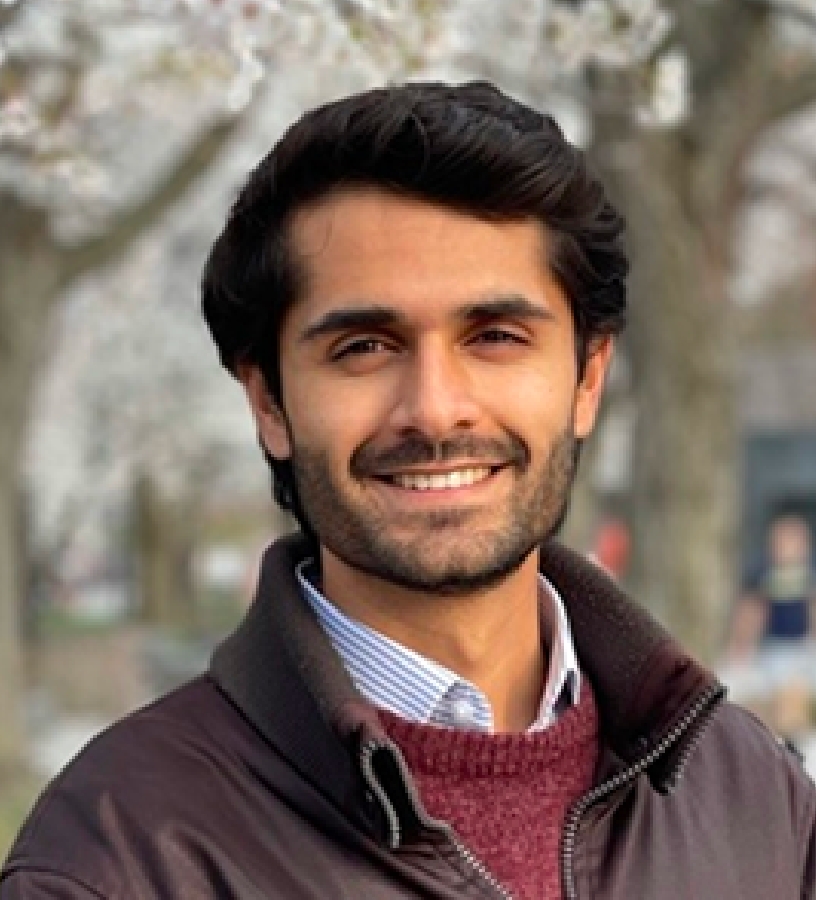
In the complex world of global climate finance, every investment has the potential to shape the planet’s future. Haysam Azhar, Class of 2021, contributes to that work as a climate finance analyst at Climate Policy Initiative (CPI). Haysam began his Minerva journey in 2017, majoring in finance and economics and building the foundation for a career addressing climate change through a financial lens. His experiences took him from nonprofit work in Kenya with Youth Climate Leaders to an internship at a tech startup in Seoul, each helping him discover how his interests in finance, economics and climate action could intersect...Read more
Disease and public health
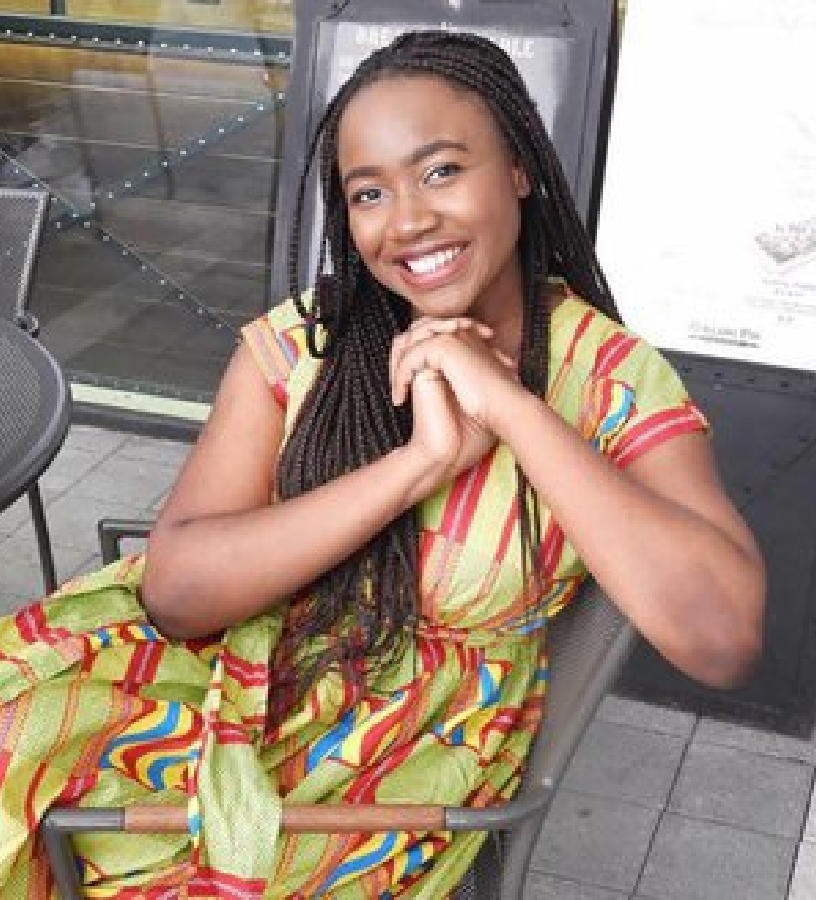
For the past two years, Chisom Egwuatu has explored the relationship between medical practice and the communities it is intended to serve. For her Capstone project, Minerva’s version of a final-year thesis, she examined how adverse or traumatic childhood experiences can affect the body’s stress-response system. Her research considered how protective practices, including fostering a sense of belonging, could be integrated into elementary school curricula to strengthen children’s resilience and improve their long-term outcomes...Read more
Artificial intelligence
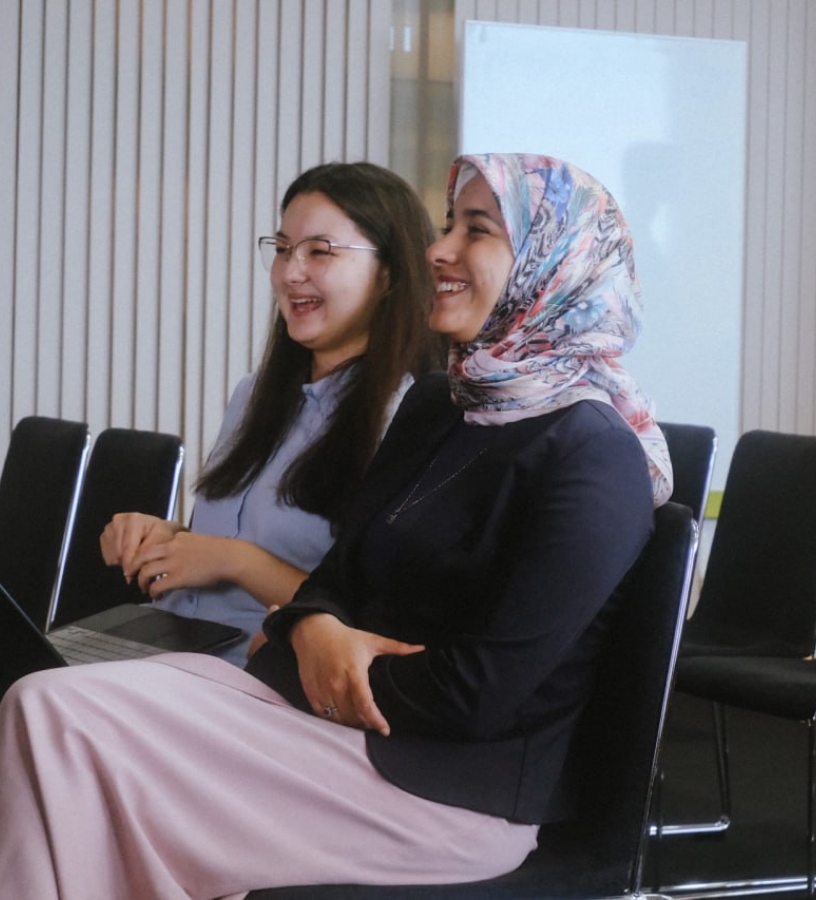
Aknur Abdikarim, Class of 2027, and Rawan Khalifa, Class of 2026, came to Tokyo to develop an AI application that tells people when their food is about to spoil. Two months later, they left with SpoilSense and a deeper understanding of what it takes to create technology that works in the real world. Their project targeted SDG 12: Responsible Consumption and Production, specifically the goal to halve global food waste. The solution combined computer vision and machine learning to assess food freshness from images...Read more
Inequality
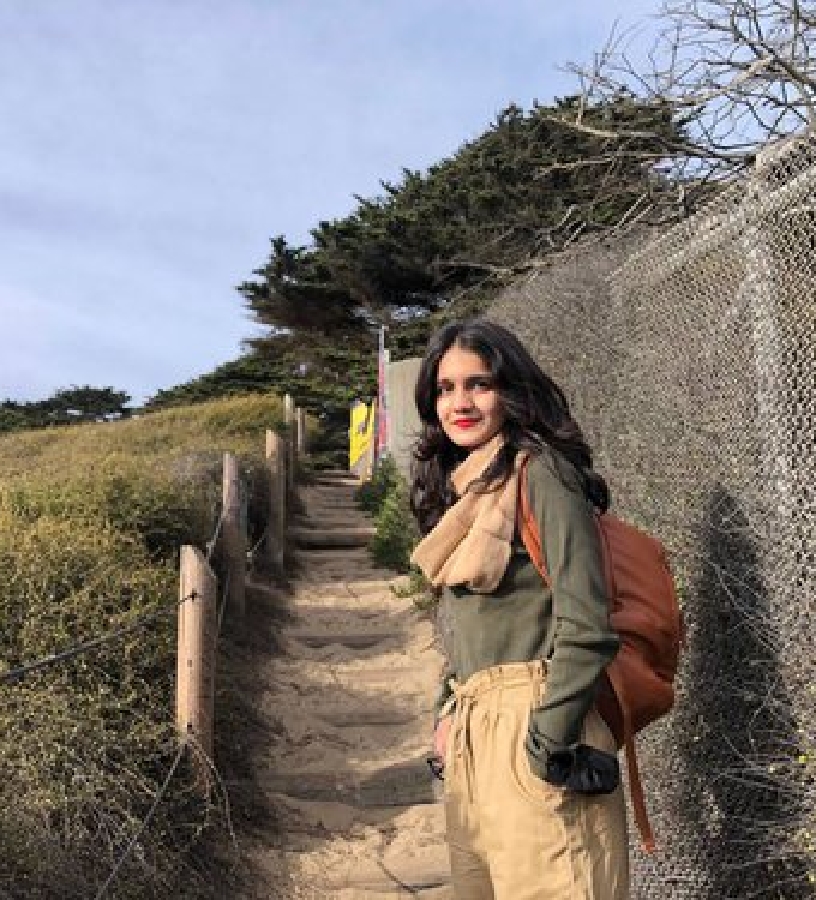
Alina thinks very deeply about the intersection of science and society and the way science and technology exacerbate existing societal injustices. "In particular, I would like to address what I call the 'Inequality of Pain,' defined as the lack of representation of gender minorities from public health discourse, which results in neglect and misrepresentation of health problems that fundamentally affect gender minorities."...Read more
Access to education
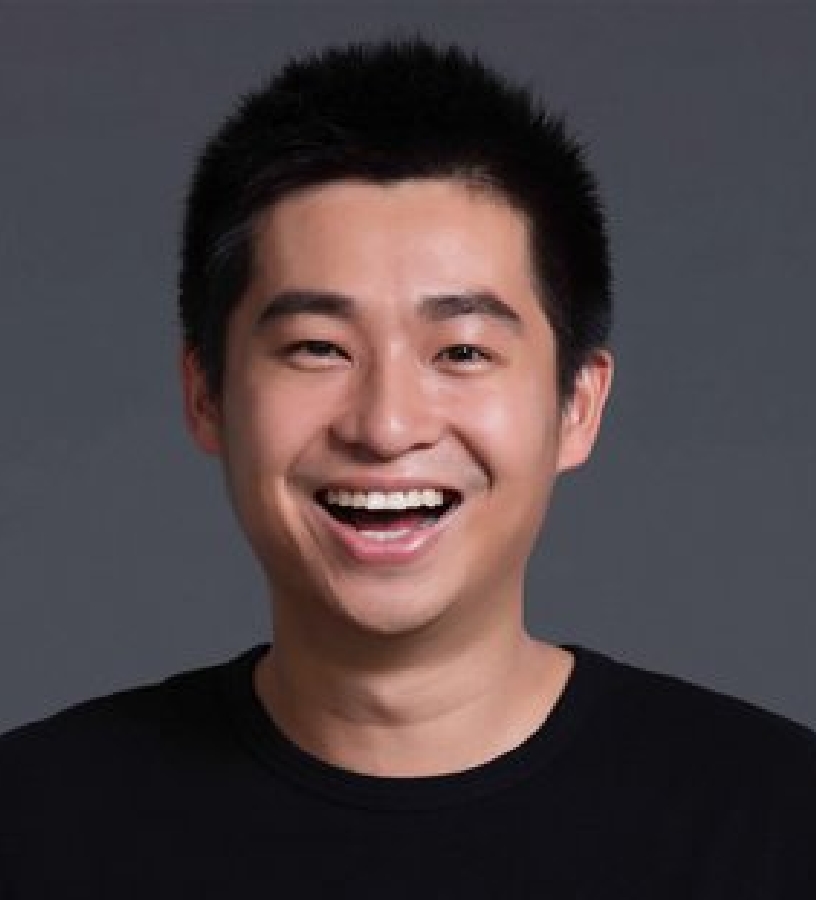
Dun Xiao founded 17zuoye (17EdTech) to help address educational inequality in China through innovative technology and new approaches to learning. In a country with more than 200 million families with K–12 students, Dun saw how geography and socioeconomic circumstances could shape a child’s access to opportunity. Like Minerva, he believes talent is everywhere and that high-quality education should not be limited to students in urban or affluent communities. Guided by this mission, 17EdTech has spent the past nine years building an online learning environment that has provided educational resources and support to more than 100 million families across China. Although founders of rapidly growing companies rarely return to school, Dun found that Minerva’s Master of Science in Decision Analysis (MDA) offered a distinctive opportunity he could not pass up....Read more

Something else
Shelby shares how she would love to explore the intersections between sustainability, ethics, and the public understanding of progress. "In capitalist societies we often see sustainability and ethics disregarded in the name of progress. I’m curious to understand where the three can coexist and explore the social shifts needed to prioritize that intersection."...Read more